Kaiser Permanente and the Alliance of Health Care Unions will address staffing, partnership, and AI advancements. Bargaining sessions are scheduled throughout the summer.
Negotiations will be largest health care talks in the U.S.
Kaiser Permanente and the Alliance of Health Care Unions will begin national bargaining on May 6. It will be the largest health care worker negotiations in the United States this year.
The parties will renegotiate the 2021 KP-Alliance National Agreement, which expires September 30, and covers 61,000 Alliance-represented employees. The scope of the national agreement includes managers and doctors who are responsible for helping to implement the agreement.
Workers across Kaiser Permanente
The Alliance of 23 local unions represent nurses, medical assistants, lab technicians, environmental services workers, engineers, pharmacists, therapists and other classifications across Kaiser Permanente’s 8 markets.
Bargaining sessions are scheduled throughout the summer. More than 100 KP and Alliance representatives from across the country will negotiate the new agreement.
Key topics include:
- Staffing and patient care
- Labor-management partnership effectiveness
- Economics like across-the-board wage increases
- Artificial intelligence and technology
Moving forward through partnership
Hal Ruddick, Alliance executive director, is optimistic but says both sides are at a critical point in their relationship as the Labor Management Partnership turns 28 this fall. In 2021, a strike over pay and staffing issues was averted when negotiators reached agreement.
“The Alliance is committed to demonstrating that partnership is the path forward,” Ruddick says. “Let's seize this moment to build a strong foundation for our future.”
Kaiser Permanente fully supports the partnership, says Greg Holmes, executive vice president and chief human resources officer of Kaiser Foundation Health Plan and Hospitals.
“Kaiser Permanente is proud that our Labor Management Partnership is the largest and longest running in the U.S. and that our shared dedication to our employees and members has guided us over the last 28 years,” Holmes says. “We are committed to strengthening and growing this partnership so that together we can continue to advance the mission of Kaiser Permanente.”
Negotiations bring opportunity
Arlene Peasnall, senior vice president of Human Resources Consulting, Labor Relations and the Office of Labor Management Partnership for Kaiser Permanente, says the bargaining talks provide an opportunity to transform patient-centered care.
“We believe it is our shared responsibility with our Alliance union partners to innovate and evolve to find new ways to provide high-quality care that is affordable and accessible,” says Peasnall. "As labor and management begin national bargaining, I am confident in our collective ability to achieve meaningful progress.”
Jim Pruitt, vice president of LMP and National Labor Relations for The Permanente Federation, stressed the significance of the upcoming negotiations.
“By focusing on shared goals and innovative solutions, we can create a positive impact on our workforce and the patients we serve,” says Pruitt. “This is our chance to set a new standard for collaboration and excellence in health care."
An interest-based approach
In addition to national bargaining, KP and Alliance representatives are negotiating local contracts in each market. In local bargaining, negotiators address issues such as operational concerns, seniority, wage scales, and shift differentials.
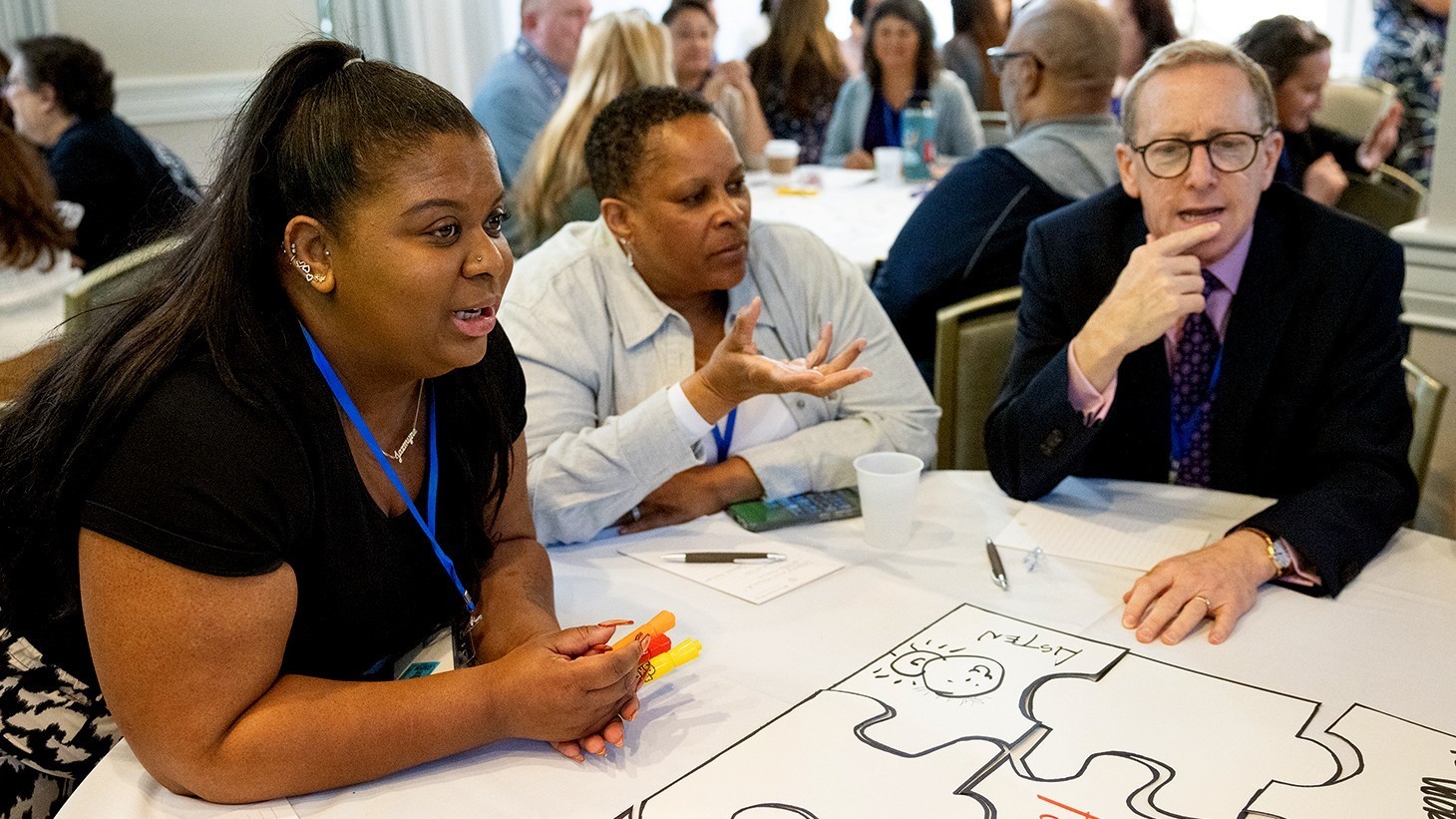
During bargaining, management and labor representatives use interest-based negotiations to understand each other’s priorities and identify creative solutions. The approach is foundational to the Labor Management Partnership. It has yielded better outcomes and helped build better working relationships and support for the national agreement.
Watch this video to learn more about Alliance national bargaining.